
ورشة مهمة لكل طموح طب
تفكر تدرس الطب البشري أو طب الأسنان في 🇬🇧 🇳🇿 🇦🇺 ?
إذن لازم تكون فاهم اختبار UCAT من الألف إلى الياء!
🎓 مع المهندس/ راشد الهاجري
📍 أونلاين عبر ZOOM
📅 الأربعاء 29 أبريل 2026
⏰ الساعة 4:00 مساءً
📚 راح تتعرف على:
• تفاصيل اختبار UCAT
• طريقة التحضير الصحيحة
• أهم النصائح للقبول
⚠️ المقاعد محدودة
Don’t miss this opportunity—start your journey toward a career in medicine today 👨⚕️👩⚕️
A complete guide for Kuwaiti students about Portsmouth. Information about the University of Portsmouth (a top choice for Gulf students), famous student accommodation (The Crescent, No.1 Portsmouth, Admiralty Tower, Richmond House), rental prices, the famous Gunwharf Quays outlet, and transport options.
Introduction: Where the Sea Meets Student Life
When Kuwaiti students think of studying in the UK, cities like London, Manchester, and Birmingham often come to mind first. But there is a city on the south coast that offers something completely different—a unique island experience with a rich military history, a vibrant student community, and the refreshing sea breeze.
Portsmouth is a city located in the south of the United Kingdom, perched on the stunning coastline of Hampshire. It is famous for its coastal character, with waterfront views, maritime heritage, and a relaxed atmosphere that sets it apart from inland cities. It is the only island city in the UK, with most of its area sitting on Portsea Island.
Based on our experience guiding over 5,000 Kuwaiti students to UK universities, we have put together this complete guide to Portsmouth. Let us show you why this south coast gem might be the perfect destination for your academic journey.
From Military Powerhouse to Educational Hub
Portsmouth has a fascinating history that shapes its character today. It was formerly a major military area, and its identity is still deeply connected to the sea and defence.
For centuries, Portsmouth was the home of the Royal Navy. The historic Portsmouth Historic Dockyard is where you can visit Lord Nelson’s flagship HMS Victory, the Tudor warship Mary Rose, and the HMS Warrior. The city’s skyline is still dominated by the Spinnaker Tower, a modern landmark that offers breathtaking views of the harbour and the Solent.
Today, while the military presence remains significant, Portsmouth has transformed. It is now a thriving educational and residential area, with students from all over the world bringing new energy to this historic city. The naval barracks have been converted into modern housing, and the dockyards now welcome tourists and students alike. This blend of history and modernity gives Portsmouth a unique character you won’t find anywhere else.
Shopping Paradise: The Famous Gunwharf Quays
One of Portsmouth’s greatest attractions for students is Gunwharf Quays, a stunning waterfront development that is a shopper’s dream.
Gunwharf Quays is a famous outlet shopping destination with over 90 designer brands offering discounts all year round. From fashion and sportswear to homeware and accessories, you can find incredible deals on brands like Nike, Adidas, Calvin Klein, Levi’s, and many more.
But Gunwharf Quays is more than just shopping. It is also the newest and most modern area of Portsmouth, with a fantastic selection of restaurants, bars, a cinema, and a bowling alley. The waterfront setting is beautiful, especially in the evening when the lights reflect on the water. For students, it is the perfect place to relax, socialise, and enjoy some retail therapy without breaking the bank.
The area is also home to the iconic Spinnaker Tower, which you can climb for panoramic views of the city and the coast.
The University: A Gulf Student Favourite
Portsmouth is famous for the University of Portsmouth, and here is a fact that might surprise you: it has become one of the most popular universities among Gulf students in recent years.
The University of Portsmouth is a modern, forward-thinking institution with a strong reputation for teaching quality and student satisfaction. It is known for its excellent programs in Business, Law, Engineering, Creative Technologies, and Maritime Studies (reflecting the city’s heritage).
Why is it so popular with Kuwaiti and Gulf students? Several reasons:
Strong support system: The university has dedicated international student support and a thriving Gulf student community.
Practical focus: Courses are designed with employability in mind, with strong links to industry.
Modern facilities: The university has invested heavily in its campuses, creating state-of-the-art learning environments.
Location: Being in a vibrant coastal city with good transport links is a major draw.
The university’s main campus is integrated into the city centre, meaning you are never far from shops, restaurants, and the waterfront.
Student Accommodation: Top Buildings to Know
Portsmouth offers a range of excellent purpose-built student accommodation. Here are the most important and famous student accommodation buildings in the city:
The Crescent: This is one of the most popular choices for students. Located close to the university, it offers modern en-suite rooms and studios with excellent facilities, including a gym, common room, and study spaces. Its central location makes it convenient for both campus and the city centre.
No.1 Portsmouth: As the name suggests, this is a premier accommodation option. It is known for its high-quality finishes, stylish design, and fantastic amenities, including a cinema room, games area, and rooftop terrace with stunning views. It is a favourite among students who want a premium living experience.
Admiralty Tower: This striking building is a landmark in itself. Located near the waterfront, it offers a range of room types with modern interiors. Its location provides easy access to both the university and Gunwharf Quays, making it incredibly convenient.
Richmond House: This is another popular choice, known for its friendly atmosphere and well-designed rooms. It offers good facilities and is well-located for access to the university and city amenities. It is a reliable choice for many students.
Current Rental Prices
Portsmouth offers good value compared to London, especially considering its south coast location. Here are typical rental prices:
One-bedroom flat or studio: Prices generally start from £900 per month and can go up depending on the building and facilities.
Two-bedroom flat: If you are sharing with a friend, prices typically range from £1,200 per month for the entire flat.
These prices make Portsmouth an attractive option for students seeking quality accommodation at reasonable rates.
Location: Close to London
One of Portsmouth’s greatest advantages is its proximity to the capital.
It is less than 2 hours from London by direct train. Frequent services run from Portsmouth & Southsea station and Portsmouth Harbour station to London Waterloo.
This means you can enjoy the relaxed coastal lifestyle of Portsmouth while having easy access to everything London offers for day trips or weekends away.
Getting Around: Cars and Buses
Portsmouth is a very navigable city, and the best ways to get around are by car and bus.
Buses are the main form of public transport and cover the entire city extensively. The network is reliable and frequent, making it easy to get from student accommodation to the university, the city centre, and other areas.
Cars are also a popular option, especially for students who want the freedom to explore the surrounding areas, including the beautiful South Downs National Park and other coastal towns.
The city is very compact, so walking and cycling are also excellent options, especially in the centre and around the university areas.
The Centre and Beyond
The city centre is well-served by transport and contains most of the shops, restaurants, and university buildings.
Gunwharf Quays is the newest and most modern area, and it is well-connected by bus and on foot from the centre.
A Safe and Welcoming Coastal City
Portsmouth has a friendly, welcoming atmosphere that international students appreciate. While it is a city, its coastal location and island geography give it a more relaxed, community feel. The presence of a large student population means the city is accustomed to welcoming young people from around the world.
The waterfront areas are vibrant and safe, and the university works hard to ensure students feel supported throughout their time in Portsmouth.
The Final Verdict: Is Portsmouth for You?
Portsmouth offers a unique student experience that combines coastal living, rich history, modern shopping, and a popular university. It is a city where you can study in the morning, enjoy outlet shopping in the afternoon, and watch the sunset over the harbour in the evening.
If you are looking for:
- A coastal city with a relaxed, maritime atmosphere
- A university that is highly popular with Gulf students (with a strong support system)
- High-quality student accommodation in famous buildings
- Excellent shopping at Gunwharf Quays
- Easy access to London (less than 2 hours by train)
- A city with a fascinating military history transformed into a modern student hub
- Then Portsmouth might be the perfect place for you to write your own success story.
Ready to explore Portsmouth as your study destination? Book a free consultation with our UK experts today. We have up-to-date information on the University of Portsmouth, accommodation options, and everything you need to make your dream of studying on the beautiful south coast a reality.
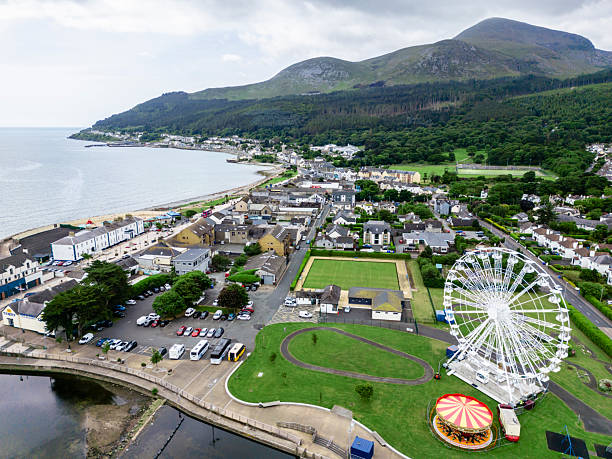
A complete guide for Kuwaiti students about Newcastle upon Tyne. Information about Newcastle University and Northumbria University, famous student accommodation (55 Degrees, The Forge, Central Loft), housing prices, transport, and travel times to London and Manchester.
Introduction: The Northern Star
When Kuwaiti students think of studying in England, London, Manchester, and Bristol often dominate the conversation. But head further north, and you will discover a city that offers something truly special—a peaceful atmosphere, world-class universities, and a passion for football that rivals anything in the world.
Newcastle upon Tyne (or simply Newcastle) is located in the north of England, straddling the River Tyne. It is a city with a proud industrial heritage, a warm and friendly character, and a quality of life that attracts students from all over the globe. It is famous for many things, but perhaps none more so than its beloved football club.
Based on our experience guiding over 5,000 Kuwaiti students to UK universities, we have put together this complete guide to Newcastle. Let us show you why this northern gem might be the perfect destination for your academic journey.
A City Defined by Its Football Passion
Ask anyone what Newcastle is famous for, and the answer will almost certainly be: Newcastle United Football Club.
The Magpies, as they are known, are more than just a football team here—they are a religion. St. James’ Park, their magnificent stadium, sits right in the heart of the city centre, its towering stands visible from everywhere. On match days, the city transforms. The streets fill with black and white shirts, the pubs buzz with anticipation, and the roar of 52,000 fans can be heard for miles.
For Kuwaiti students who love football, living in Newcastle is a dream. You can experience the electric atmosphere of Premier League football, visit the stadium, and share in the passion of some of England’s most dedicated fans. It is an experience that bonds the entire city together.
A Peaceful Hub Serving the North
Newcastle has a unique character. It is considered one of the more peaceful and relaxed cities in the UK, especially compared to the constant buzz of London. The pace of life is slower, the people are famously friendly (the “Geordie” accent is known for its warmth), and the cost of living is more affordable.
However, do not let its peaceful nature fool you. Newcastle is a vital regional hub, serving as the central point for a large surrounding area. It is the most well-served city compared to the towns and villages around it, meaning everything you need—shopping, entertainment, healthcare, transport—is concentrated here. Students from across the north-east of England come to Newcastle for its universities, shopping centres like the Metro Centre (one of the largest in the UK), and its famous nightlife.
This combination of a peaceful base with access to everything a major city offers makes Newcastle uniquely appealing.
The Universities: Two Paths to Success
Newcastle is home to two important universities, each with its own distinct character and strengths.
Newcastle University is the city’s premier institution and a proud member of the prestigious Russell Group. It is consistently ranked among the top universities in the UK and globally. It excels in a wide range of fields, including Medicine, Dentistry, Law, Engineering, Architecture, and Business. Its main campus is located near the city centre, featuring a beautiful blend of historic redbrick buildings and modern facilities. Studying at Newcastle University means joining a research-intensive community with a global reputation.
Northumbria University offers a different but equally compelling experience. It is a modern, forward-thinking university with a strong focus on employability and practical education. It is particularly renowned for its Business School, Law School, Design programs, and Engineering. Northumbria has invested heavily in its campuses, creating state-of-the-art learning environments. Its city-centre location means students are right in the heart of Newcastle’s energy. For students seeking a hands-on, career-focused education, Northumbria is an excellent choice.
Whether you prefer the research excellence of Newcastle University or the practical, modern approach of Northumbria, this city has a place for you.
Student Accommodation: Quality and Choice
Newcastle is well-served with excellent student accommodation. The city enjoys a good supply of purpose-built student housing, meaning you have plenty of options to choose from. Here are some of the most famous student accommodation buildings in Newcastle:
55 Degrees: This is one of the most iconic student buildings in the city. Its name comes from its location at the junction of two streets at a 55-degree angle. It offers high-quality, modern studios and en-suite rooms with fantastic facilities, including a cinema room, gym, and common areas. Its central location makes it popular with students from both universities.
The Forge: A modern development known for its stylish design and excellent specifications. It offers a range of room types and is popular with students who want a contemporary living experience. Its location provides good access to both university campuses.
Central Loft: True to its name, this building offers loft-style living in a prime central location. It is known for its trendy, industrial-chic design and high-quality finishes. It is a popular choice for students who want something a bit different.
City Quadrat: This development offers well-designed accommodation with a strong sense of community. It is known for its excellent facilities and convenient location, making it a reliable choice for many students.
Current Rental Prices
Newcastle offers excellent value for money compared to southern cities. Here are typical rental prices for student accommodation:
One-bedroom flat or studio: Prices generally range from £800 to £1,200 per month, depending on the building, location, and facilities.
Two-bedroom flat: If you are sharing with a friend, prices typically range from £1,200 to £1,600 per month for the entire flat.
These prices make Newcastle one of the more affordable major UK student cities, allowing you to get high-quality accommodation without breaking the bank.
Getting Around: Trams and Buses
Newcastle has an excellent public transport network that makes getting around easy and efficient.
The Tyne and Wear Metro is a light rail system (tram) that is the backbone of transport in the region. It connects the city centre with the coast, the suburbs, and both universities. The Metro is fast, frequent, and the best way to travel longer distances within the city and to nearby areas like the beautiful coast at Tynemouth.
Buses complement the Metro perfectly, reaching areas that the trains do not cover. The bus network is extensive and reliable, making it easy to get to any part of the city.
Many students find that a combination of the Metro and buses meets all their daily travel needs. You can use a Pop card (a smartcard) for discounted fares on both modes of transport.
Newcastle’s Location: Well-Connected
Newcastle’s location in the north-east makes it a great base for exploring the rest of Britain.
It is approximately 3 hours from London by direct train. Frequent LNER trains run from Newcastle Central Station to London King’s Cross.
It is around 3.5 to 4 hours from Manchester by train, usually with one change in Leeds or York.
The city is served by Newcastle International Airport (NCL) , which offers flights to numerous European destinations and connections further afield. For Kuwaiti students, you can fly into Newcastle via connecting flights from London or other European hubs. The airport is conveniently connected to the city centre by the Metro, with a journey time of about 20-25 minutes.
The Final Verdict: Is Newcastle for You?
Newcastle offers a unique combination that is hard to find elsewhere. It is a peaceful, friendly city with a strong sense of community, yet it serves as a major regional hub with everything you need. It has top-tier universities, passionate football culture, affordable housing, and excellent transport links.
If you are looking for:
- A more relaxed and affordable alternative to southern cities
- A friendly, welcoming community (the Geordies are famous for it!)
- Excellent university choices (Newcastle University and Northumbria University)
- High-quality student accommodation at reasonable prices
- A city where football is woven into the fabric of daily life
- Easy access to beautiful coastline and countryside
Then Newcastle might be the perfect place for you to write your own success story.
Ready to explore Newcastle as your study destination? Book a free consultation with our UK experts today. We have up-to-date information on universities, accommodation, and everything you need to make your dream of studying in the north of England a reality.
A complete guide for Kuwaiti students about Glasgow, Scotland’s largest city. Information about the University of Glasgow and the University of Strathclyde, the housing challenge and prices, famous buildings like Monda Holland Park and Platform, stunning scenery, and transport options.
Introduction: The Scottish Giant
When Kuwaiti students plan their UK journey, England often steals the spotlight. But look north, and you will find a city that offers something completely different—a unique blend of Scottish charm, world-class education, and a spirit so warm it defies its northern latitude.
Glasgow is Scotland’s largest city, a bustling metropolis that proudly sits on the River Clyde. It is a city of contrasts: historic yet modern, industrial yet artistic, and despite being further north than any English city, it has a heart that welcomes international students with open arms. It is both a tourist destination and a thriving student city, making it an ideal place to live and learn.
Based on our experience guiding over 5,000 Kuwaiti students to UK universities, we have put together this complete guide to Glasgow. Let us show you why this Scottish powerhouse might be the perfect destination for your academic journey.
A City for Tourists and Students Alike
Glasgow has a dual personality that makes it special. By day, it is a magnet for tourists drawn to its magnificent Victorian architecture, world-class museums, and vibrant cultural scene. By afternoon, its streets fill with students heading to lectures, grabbing coffee in trendy cafes, or relaxing in its many parks.
The city has reinvented itself magnificently. Once a gritty industrial powerhouse, it is now a designated UNESCO City of Music, with a buzzing arts scene and some of the best live music venues in the UK. The Glasgow Cathedral, the Kelvingrove Art Gallery and Museum, and the stunning Glasgow School of Art (designed by famous architect Charles Rennie Mackintosh) are just a few of the cultural treasures waiting to be explored.
For students, this means your weekends will never be boring. You can explore history in the morning, enjoy a festival in the afternoon, and experience world-class nightlife in the evening—all within this compact, walkable city.
The Universities: Two Academic Powerhouses
Glasgow is home to two main universities, each with its own distinct character and strengths.
The University of Glasgow is the fourth oldest university in the English-speaking world, founded in 1451. It is a prestigious member of the Russell Group and is consistently ranked among the top universities globally. Its stunning gothic architecture—particularly the iconic Gilmorehill campus—makes it one of the most beautiful universities in Britain. It excels in a vast range of subjects, including Medicine, Law, Veterinary Medicine, Engineering, and the Humanities. Studying here means joining a community with a 570-year history of academic excellence.
The University of Strathclyde offers a different but equally compelling experience. Founded in 1796 as a “place of useful learning,” it has retained that practical, career-focused ethos. It is particularly renowned for its Business School (one of the largest in the UK), Engineering, and Pharmacy programs. Strathclyde has strong links with industry, meaning students benefit from real-world projects and excellent graduate employment prospects. Its campus is located right in the heart of the city centre, integrated into Glasgow’s bustling urban life.
Choosing between these two giants depends on whether you prefer a traditional, research-intensive environment (Glasgow) or a modern, applied, city-centre experience (Strathclyde). Both offer an outstanding education.
The Housing Challenge: A City Working on Solutions
Let us be honest with you: Glasgow, like many popular UK student cities, is currently facing a severe housing challenge. This applies to both private rentals and purpose-built student accommodation.
Demand is high, and supply has not quite kept pace. This means competition for the best rooms can be fierce, and it is essential to start your search early and be prepared to move quickly when you find a suitable option.
The good news? The authorities and developers are fully aware of the issue and are actively working to find solutions. New student accommodation buildings are in the pipeline, and the city is committed to improving the situation for students. We are monitoring these developments closely and will announce new openings as soon as they are confirmed.
Current Rental Prices
Based on current market data, here is what you can expect to pay for accommodation in Glasgow:
One-bedroom flat or studio: Prices generally range from £1,000 to £1,300 per month, depending on location, building quality, and facilities.
Two-bedroom flat: If you are sharing with a friend, prices typically range from £1,400 to £1,800 per month for the entire flat.
These prices reflect the high demand, but Glasgow still offers better value than London and compares favorably with other major UK cities.
Famous Student Accommodation Buildings
Two of the most famous and popular student accommodation buildings in Glasgow right now are:
Monda Holland Park: This is a premium development known for its high-quality finishes and excellent facilities. It offers a range of studio and en-suite rooms and is popular with students who want a modern, comfortable living experience. Its location and social spaces make it a community in itself.
Platform: As the name suggests, this building is designed to be a launchpad for student life. It offers stylish, contemporary accommodation with a strong focus on community and convenience. It is well-located for both the University of Glasgow and the city centre, making it a popular choice for students from both universities.
We recommend checking these buildings early, as rooms fill up quickly.
Stunning Scenery and a Unique Climate
One of Glasgow’s greatest assets is its location. It is the gateway to some of the most stunning scenery in the world.
Within an hour’s drive, you can find yourself in the Scottish Highlands, with their majestic mountains, deep lochs (lakes), and breathtaking valleys. Loch Lomond, with its beautiful islands and walking trails, is just a short trip away. For students who love nature, Glasgow offers an escape into wilderness that is simply unmatched by any English city.
The Weather: What to Expect
Now, let us talk about the weather, because Glasgow’s climate is… distinctive.
Glasgow is famous for its extreme cold in winter. Temperatures can drop below freezing, and snow is not uncommon. You will need a proper winter coat, gloves, a scarf, and warm boots. The days are also very short in December, with sunset as early as 3:30 PM.
However, there is a wonderful upside. Because of its northern location, Glasgow enjoys mild, pleasant summers with long daylight hours (sunset after 10 PM in June!). While temperatures in England can become uncomfortably hot, Glasgow remains refreshingly cool. It is considered an excellent summer retreat—a place where you can enjoy the season without the oppressive heat. For Kuwaiti students used to extreme summer temperatures, Glasgow’s cool summers can feel like a blessing.
The city also has a reputation for rain, so a good waterproof jacket is essential year-round.
Getting Around: Buses Are Your Best Friend
Glasgow has an excellent and extensive public transport network, and the best way to navigate the city is by bus.
Buses are the most comprehensive form of transport, reaching every corner of the city and its suburbs. The First Bus company operates the majority of services, and you can pay easily with contactless cards or through their app. Buses are frequent, reliable, and the best way to get from student accommodations to university campuses and the city centre.
Glasgow also has a subway system—nicknamed the “Clockwork Orange”—which is a simple circular line that is useful for quickly getting around the city centre and west end. Many students use a combination of buses and the subway.
Taxis and ride-hailing services like Uber are also widely available for night-time travel or when you have heavy shopping.
Glasgow’s Location: Connected to the UK
Glasgow is well-connected to the rest of the UK.
It is approximately 4.5 to 5 hours from London by direct train (from Glasgow Central to London Euston).
It is around 3.5 hours from Manchester by train.
It is less than an hour from Edinburgh, Scotland’s capital, by frequent train services.
The city is served by Glasgow International Airport (GLA) , which offers flights to numerous European and international destinations. For Kuwaiti students, you can fly into Glasgow via connecting flights from London or other European hubs.
The Final Verdict: Is Glasgow for You?
Glasgow is a city with a big heart, a fierce spirit, and a welcoming embrace. It offers a unique student experience that combines top-tier education with access to some of the most beautiful nature in the world.
If you are looking for:
- A genuine Scottish experience in the country’s largest city
- World-class universities with very different personalities (Glasgow and Strathclyde)
- A vibrant cultural and music scene
- Stunning natural landscapes on your doorstep
- Cool, pleasant summers (a perfect escape from Kuwait’s heat!)
- A friendly, welcoming community of locals and international students
Then Glasgow might be your ideal destination. Just be prepared for the housing challenge by starting your search early and working with experts who know the market.
Ready to explore Glasgow as your study destination? Book a free consultation with our UK experts today. We have up-to-date information on universities, accommodation, and everything you need to make your dream of studying in Scotland a reality.
A complete guide for Kuwaiti students about Cardiff, the capital of Wales. Information about Cardiff University and Cardiff Met, student accommodation options and prices (from The Aspect to Meridian Plaza), safety, transport, and travel times to London and Manchester.
Introduction: More Than Just a Capital
When Kuwaiti students think of studying in the UK, London, Manchester, and Bristol often come to mind first. But there is a city that offers something truly special—a perfect blend of history, culture, and student life, all wrapped in a safe and affordable package.
Cardiff, the capital of Wales and its largest city, is a hidden gem that deserves your attention. It is a city that proudly wears its history on its sleeve while embracing modernity and creativity. Imagine studying in a place where you can explore a thousand-year-old castle in the morning and enjoy world-class shopping and dining in the evening.
Based on our experience guiding over 5,000 Kuwaiti students to UK universities, we have put together this complete guide to Cardiff. Let us show you why this Welsh capital might be the perfect destination for your academic journey.
A City Where History Meets Art
Cardiff is not just a political capital; it is a cultural capital. The city has a unique character that sets it apart from other British cities.
At its heart stands the magnificent Cardiff Castle, a medieval fortress with Roman origins that sits right in the city center. Walking through its walls is like stepping back in time. Just a short distance away, you will find the Principality Stadium (formerly Millennium Stadium), a modern architectural marvel that hosts epic rugby matches and concerts.
The city is also home to the Wales Millennium Centre, a world-class arts venue overlooking Cardiff Bay. This is where you can experience opera, ballet, theatre, and musicals. The Bay area itself has been transformed from a historic docklands into a vibrant waterfront destination filled with restaurants, cafes, and the impressive Senedd building (Welsh Parliament).
For students who appreciate creativity, Cardiff is a haven. The city walls are adorned with stunning street art, and galleries and independent boutiques are scattered throughout its charming arcades. It is a city that breathes art and history simultaneously.
The Universities: Two Paths to Success
Cardiff is a true student city, anchored by two main universities, each offering a distinct educational experience.
Cardiff University is the city’s premier institution and a proud member of the prestigious Russell Group. It is renowned for its strong research output and academic excellence across a wide range of fields, including Medicine, Law, Journalism, Engineering, and Architecture. Studying at Cardiff University means joining a community of top-tier academics and ambitious students from around the globe. The main campus is located near the city center, blending historic and modern buildings.
Cardiff Metropolitan University (Cardiff Met) offers a different but equally valuable path. It focuses on practical, career-oriented education with strengths in areas like Business, Sports Science, Art and Design, and Education. Cardiff Met is known for its supportive environment, strong industry connections, and excellent graduate employment rates. Its campuses are located in the beautiful northern suburbs of the city.
Whether you seek the research intensity of a Russell Group university or the applied focus of a modern institution, Cardiff has you covered.
Student Accommodation: A City of Choices
One of Cardiff’s greatest strengths for students is the abundance and diversity of student housing. Unlike some UK cities where finding a room is a nightmare, Cardiff offers plenty of purpose-built student accommodation (PBSA) and private rentals. This means you have the luxury of choice.
Here are some of the most famous and popular student accommodation buildings in Cardiff:
The Landmark: A striking high-rise building in the city center, offering modern studios and en-suite rooms with fantastic views. It is popular for its location and excellent facilities, including a gym and common areas.
The Aspect: Located near the Cardiff University campus, The Aspect is a top choice for students who want to be close to lectures. It offers a range of room types and is known for its social atmosphere and modern design.
The Hayes: Situated in the heart of the city’s shopping district, The Hayes puts you right in the middle of the action. You are steps away from St David’s Shopping Centre, restaurants, and nightlife. It is ideal for students who want to live where things are happening.
Meridian Plaza: This popular development offers stylish living with excellent transport links to both universities. It is known for its high-quality finishes and community feel.
What Does It Cost?
Cardiff offers excellent value compared to London and other major UK cities. Here are typical rental prices for student accommodation:
One-bedroom flat or studio: Prices generally start around £900 per month and can go up to £1,300 per month for premium buildings or larger studios.
Two-bedroom flat: If you are sharing with a friend, prices typically range from £1,300 to £1,700 per month for the entire flat.
These prices are competitive, and the variety of options means you can find something that fits your budget and lifestyle.
Safety: A Secure Environment for Study
For Kuwaiti students and their families, safety is always a top concern. We are pleased to tell you that Cardiff is considered one of the safest cities in the UK.
It has a lower crime rate than most other British capitals and major cities. The city center is well-patrolled, and the student areas are generally very safe. The strong student presence creates a community where everyone looks out for one another. Of course, like any city, it is wise to be aware of your surroundings, but overall, Cardiff provides a secure and welcoming environment for international students.
Getting Around: Buses and Cars
Cardiff is a very manageable city, and getting around is straightforward.
Buses are the primary form of public transport. An extensive network covers the entire city, connecting the student accommodations, university campuses, the city center, and the bay. Services are frequent and reliable. You can use contactless payment or a network-specific travel card.
A car is also a viable option, especially if you plan to explore the beautiful Welsh countryside. However, like most UK cities, parking in the city center can be expensive and limited. Many students find that a combination of walking, cycling, and using buses meets all their daily needs.
Cardiff’s Location: Well-Connected to the UK
Cardiff’s location makes it an excellent base for exploring the rest of Britain.
It is approximately 2 hours from London by direct train. Frequent services run from Cardiff Central to London Paddington.
It is around 3 hours and 15 minutes from Manchester by train, usually with one change.
The city also has its own international airport (Cardiff Airport), which offers flights to various European destinations and connections further afield. For Kuwaiti students, this means you can fly into Cardiff directly via connecting flights, or easily reach it from London Heathrow by train or coach.
The Final Verdict: Is Cardiff for You?
Cardiff offers a unique combination that is hard to find elsewhere. It is a capital city with all the amenities and cultural attractions you would expect, yet it retains a friendly, community-focused feel. It is historic and artistic, safe and affordable.
If you are looking for:
- A true capital city experience at a lower cost than London
- A safe environment with a strong student community
- Excellent university choices (Cardiff University and Cardiff Met)
- Abundant and diverse student accommodation options
- A city rich in history, culture, and natural beauty (with Wales on your doorstep)
Then Cardiff might be the perfect place for you to write your own success story.
Ready to explore Cardiff as your study destination? Book a free consultation with our UK experts today. We have up-to-date information on universities, accommodation, and everything you need to make your dream of studying in Wales a reality.
Bristol: The Western Gem of the UK Worth Discovering
A complete guide for Kuwaiti students about the city of Bristol. Information about the University of Bristol and UWE, housing challenges and upcoming solutions, its rich industrial history, and transport options. Everything you need to know before studying in Bristol.
Introduction: Why Bristol?
When a Kuwaiti student thinks about studying in Britain, attention often focuses on London or Manchester. But there is another city worth considering: Bristol.
Bristol is one of the most attractive British cities for international students, combining rich history with a modern character, and distinguished academic life with a vibrant social atmosphere. Located in the west of the United Kingdom, it is closer to Wales than to other English cities, giving it a unique geographical and cultural character.
In this guide, we take you on a complete tour of Bristol based on our experience guiding Kuwaiti students to the best study destinations in Britain.
Universities: The Academic Powerhouse of Bristol
Bristol is known for two main universities, each offering a completely different experience.
The University of Bristol is the city’s premier university and the most renowned internationally. It belongs to the prestigious Russell Group, which brings together Britain’s leading research universities. The university is known for its strong programs in Medicine, Engineering, Law, and Sciences. The atmosphere is academic and competitive, attracting top students from around the world.
The University of the West of England (UWE) is the city’s second university and offers a distinctly different experience. UWE focuses more on practical and applied education, with a strong reputation in Business, Engineering, and Creative Arts. The atmosphere is more modern and diverse, featuring massive, contemporary facilities outside the city center.
Choosing between the two universities depends on your academic ambitions and preferred learning style. This is where our advisors come in to help you make the right decision.
A Rich Industrial History: Where Did Bristol’s Fame Come From?
Before becoming a quintessential university city, Bristol was a first-class industrial city. It played a major role in the British Industrial Revolution, and this era has left clear marks on the city to this day.
Bristol is famous for its aviation and heavy engineering industries. Did you know that Rolls-Royce engines were manufactured here? Yes, Bristol has long been a center for designing and manufacturing aircraft engines. The city also has a long history of shipbuilding and maritime trade.
This industrial past means the city is rich in museums and historic buildings, and it still breathes a spirit of innovation and engineering that remains present today in its universities and emerging tech companies.
The Housing Challenge: The Biggest Obstacle (And Good News!)
We wouldn’t be honest with you if we didn’t mention the biggest challenge students face in Bristol: the housing crisis.
Simply put, demand for housing in Bristol far exceeds supply. The number of residential units in the city is almost equal to the population, meaning competition for renting a room or apartment is fierce. This leads to high prices and difficulty finding a suitable place, especially at the start of the academic year.
This reality makes it essential to start your housing search very early and to rely on experts who know the local market.
The good news: We are aware of a massive residential project set to open in Bristol soon, and we will announce it in detail as soon as full information is available. This news promises an improvement in the housing situation in upcoming academic seasons and will provide better options for our dear students. Follow us for details as they emerge.
Getting Around Bristol: How to Move Easily?
Bristol doesn’t have a tube network like London, but available transport options cover the city well.
Buses are the main form of public transport. Bristol’s bus network is extensive, covering most of the city and its suburbs. First Bus is the main operator, and you can use smart cards or an app to pay fares easily.
A car is also a good option, especially if you plan to explore the areas surrounding Bristol. However, be aware that the city center is congested and parking is limited and expensive.
The most common option among students, especially in the evening or for quick trips, is Uber. Ride-hailing services are available and reasonably priced compared to major British cities. Students rely on them heavily for safe returns after nights out or for travel between campuses.
Safety: A Safe Student City
One of Bristol’s most important advantages for international students, and specifically for Kuwaiti students, is that it is a safe city compared to major British cities.
Bristol has a well-earned reputation as a student-friendly city, with a warm social atmosphere and a diverse community. Of course, like any city in the world, there are areas where caution is needed, but generally, Bristol provides a safe and comfortable environment for living and studying.
We always recommend speaking with current students or our advisors to learn about the best residential neighborhoods in terms of safety and proximity to services and universities.
Bristol’s Location: Gateway to the West
Bristol’s geographical location is distinctive and strategic. As mentioned, it is much closer to Wales than to London, making it a great starting point for exploring the west of Britain and the stunning Welsh landscapes.
For longer journeys:
Bristol is about 2 hours from London by direct train. Trains depart regularly from Bristol Temple Meads station to London Paddington.
Bristol is about 3 hours from Manchester by train, with a possible change in Birmingham or Crewe.
This relative proximity to major cities means you’re not far from the excitement of London or Manchester while living in a quieter, more student-focused city.
The Final Verdict: Is Bristol Right for You?
Bristol is a city that combines serious academic atmosphere with enjoyable student life. It is historic yet pulses with modernity and creativity.
If you are looking for:
- Strong education at a prestigious university (Bristol) or excellent applied learning (UWE)
- A safe and student-friendly city
- Lower cost of living compared to London
- A vibrant social atmosphere and diverse community
- Opportunities to explore the west of Britain and Wales
Then Bristol might be your ideal destination. Just be prepared for the housing challenge, and remember we are here to help you every step of the way.
Ready to explore Bristol as a study destination? Book a free consultation with our UK experts today. We have up-to-date information on housing, universities, and the latest developments in this wonderful city.
Is London the right city for your studies? A complete guide for Kuwaiti students on London’s zones, best universities (UCL, King’s, LSE), where students really live (Battersea, Canary Wharf), transport, and costs. Your UK journey starts here.
Introduction: More Than Just a City
For Kuwaiti students, the decision of where to study in the UK is almost as important as what to study. And then there is London.
London is not just the capital of the United Kingdom; for many, it represents the full package—world-class education sandwiched between centuries of history and a pulsating, modern heartbeat. But is it the right choice for you?
Based on our experience guiding over 5,000 Kuwaiti students to UK universities, we have put together this complete guide to London. We will cover where students actually live, which universities dominate the landscape, and how to navigate this magnificent, sprawling city.
Understanding London’s Layout: The Zone System
First-time visitors from Kuwait are often surprised by London’s size. To make it manageable, the city is divided into 9 zones radiating from the center.
Zone 1 is the absolute heart: Trafalgar Square, the West End, and the major financial districts.
Zones 2 and 3 form a ring around the center, filled with popular residential areas and local high streets.
Zones 4 through 9 are the outer suburbs, often feeling more like connected towns than part of the big city.
For a student, your travel card cost will largely depend on how many zones you need to cross to get to your university. Most central universities are in Zone 1 or 2, making living in Zones 2 or 3 a common and cost-effective choice.
Your Gateway: London’s Airports
You will likely first touch British soil at one of London’s six international airports. The three main ones you need to know are:
Heathrow (LHR) is the busiest. Located to the west, it is directly connected to central London by the Heathrow Express (15 minutes to Paddington) and the much cheaper London Underground (Piccadilly Line).
Gatwick (LGW) sits south of London. It is served by fast Gatwick Express trains to Victoria station, as well as cheaper Southern and Thameslink services.
Stansted (STN) lies north-east of London. It is the main hub for low-cost European airlines, connected by Stansted Express trains to Liverpool Street station.
Tip for Kuwaiti students: Flights from Kuwait International (KWI) most frequently land at Heathrow, but always check your itinerary!
Student Life: Where to Live in London
This is the biggest question we get from Kuwaiti students and their families. Forget what you see in movies about tourists; student London is a different map entirely.
Where Students Actually Live
Based on current trends and our students’ experiences, popular hubs are shifting. Battersea has exploded in popularity since the opening of the new Northern Line extension and the stunning Battersea Power Station development. It offers modern riverside living with excellent transport links to central universities.
Canary Wharf, primarily a financial district, has become a major residential hub with sleek, modern high-rises. It is popular for students at universities in East London and offers a taste of futuristic city life.
Stratford is home to the Queen Elizabeth Olympic Park and two massive shopping centers (Westfield Stratford). It is a major transport hub with excellent connections to central London and newer university campuses.
Where Tourists Go (And Students Visit)
As a student, you will explore these areas, but you likely will not live here due to cost. Oxford Street is the iconic shopping artery. You will come here for the massive stores and the famous Christmas lights. Knightsbridge is home to the world-famous Harrods department store—a great place to wander and dream. And Mayfair is one of the most exclusive and expensive neighborhoods in the world, known for luxury hotels, art galleries, and embassies.
The Cost of Living: A Balancing Act
The golden rule of London accommodation is simple: the price depends on its distance from Zone 1 and its safety rating.
A room in a sought-after, safe Zone 1 area like South Kensington will command a high rent. You can find more affordable housing in Zones 3 or 4, but you will trade that saving for a longer commute on the Tube.
Always research the safety of a neighborhood using local police data and talk to current students before signing a lease.
The Academic Heavyweights: London’s Top Universities
London is not a one-university town. It is a constellation of academic stars. Here is what Kuwaiti students need to know about the key institutions.
University College London (UCL) is known for its multidisciplinary excellence. It is particularly strong in Medicine, Law, Architecture, and Sciences. The vibe is large, research-intensive, and progressive—a true multi-faculty giant.
King’s College London (KCL) excels in Humanities, Law, International Relations, and Health Sciences. It carries a prestigious, historic feel with a strong sense of tradition and a location right in the heart of London.
The London School of Economics (LSE) is the place for Economics, Politics, Sociology, Law, and Finance. The atmosphere is intense, focused, and globally connected. If you dream of becoming a future policymaker or banker, this is your arena.
Queen Mary University of London (QMUL) is renowned for Medicine and Dentistry, Law, and English. It has a strong community feel and is known for its social diversity and excellent research output.
The University of Westminster shines in Media, Communications, Arts, and Business. It is creative, professional, and highly connected to London’s industries, making it a top choice for hands-on, career-focused students.
Each of these universities has its own distinct personality and entry requirements. Choosing between them is about finding the right fit for your academic goals and personal style—something our advisors help Kuwaiti students with every day.
Getting Around: The Lifeline of the City
London’s public transport is your new best friend. You will use an Oyster Card (or simply tap a contactless bank card or phone) to pay for everything.
The Underground (“The Tube”) is the oldest and most iconic metro system in the world. It is the fastest way to travel across the city. Getting to know your Tube lines is essential—the Central Line (red) is fast and noisy, the District Line (green) is a more leisurely wanderer, and the Victoria Line (light blue) is one of the quickest routes through the center.
London Buses—those famous red double-deckers—are not just for tourists. They are a cheap option (£1.75 per journey with a daily cap) and often a more scenic way to travel, especially for shorter trips or when Tube stations are far apart.
And never underestimate walking. In Zone 1, walking is often faster than the Tube for short distances. It is also the best way to discover hidden gems—the tiny bookshops, the quiet gardens, the perfect coffee spots.
Pro Tip: Always check for planned engineering works on the Tube on weekends before you travel!
The Final Verdict: Is London for You?
London is exhilarating. It is also demanding. It offers unparalleled career opportunities, a dizzying array of cuisines (yes, you will find excellent halal food everywhere), and a cultural calendar that never stops.
For a Kuwaiti student, it can feel like a second home away from home, but with the added thrill of independence and world-class education. If you thrive on energy, diversity, and being at the center of it all, London might just be your perfect classroom.
Ready to start your London journey? Book a free consultation with our UK experts today. We have helped hundreds of Kuwaiti students find their perfect place in this incredible capital.
أعلن المكتب الثقافي الكويتي في لندن عن إيقاف الالتحاق بالسنة التمهيدية للمبتعثين في شهر يناير ابتداءً من العام الدراسي ٢٠٢٧/٢٠٢٦.
إذا كنت تخطط للدراسة في بريطانيا، فمن الضروري أن تتأنى في مراجعة خططك الأكاديمية واستكشاف كافة الخيارات المتاحة قبل المضي في إجراءات التقديم؛ وذلك لضمان سير مسيرتك التعليمية بسلاسة وتجنب أي عقبات قد تؤثر على مستقبلك الدراسي
In line with ongoing efforts to monitor the welfare of students studying in the United Kingdom, it is crucial to highlight the latest developments concerning travel to and from the State of Kuwait. This is particularly important given the current changes affecting flight routes and related procedures.
According to official directives issued by the relevant authorities, students are advised to adhere strictly to their academic schedules during the current semester. It is recommended that students avoid traveling to Kuwait during periods that do not include official holidays within the academic calendar. This guidance is primarily aimed at ensuring the continuity of the educational process and preventing the missed lectures or scheduled academic commitments.
Furthermore, recent reports indicate the possibility of operating certain flights to Kuwait via Saudi Arabia. However, the situation remains dynamic and subject to change at short notice. Therefore, students are strongly advised to postpone any travel plans during the study period to avoid potential complications that could negatively impact their academic progress.
Adherence to the academic schedule is not merely an organizational measure; it is a direct investment in the student’s future and serves as the first line of defense against any potential disruptions caused by absence or sudden changes in flight operations.
We wish all our students continued success and achievement in their educational journey.
Scholarship programs for overseas study in the State of Kuwait represent one of the nation’s most significant national initiatives aimed at developing human capital and equipping citizens with global knowledge and expertise. These programs are primarily divided into two main tracks: the Basic Scholarship Program and the Distinguished Scholarship Program, each targeting specific student categories based on defined academic criteria.
First: The Basic Scholarship Program
This program targets Kuwaiti high school graduates seeking to pursue university education in disciplines needed by the country. It covers the undergraduate (Bachelor’s) level and requires students to achieve a specific acceptance GPA according to each specialization’s requirements. The program provides students with placements at accredited universities, along with financial support and continuous academic supervision.
Second: The Distinguished Scholarship Program
This program represents a premium track targeting students with exceptionally high academic achievement, typically requiring higher acceptance rates (often 90% or above in high school). It aims to send students to the most prestigious global universities ranked among the top international institutions. The program covers all academic levels (Bachelor’s, Master’s, PhD) and offers additional benefits including higher financial allowances, research support, and intensive academic mentoring.
Differences and Integration
While the Basic Program focuses on meeting local labor market needs through specific specializations, the Distinguished Program seeks to graduate an elite cohort of researchers and academics capable of competing globally. The Distinguished Program requires students to maintain excellence throughout their scholarship period, with regular reviews of their academic performance.
Conclusion
Kuwait’s scholarship system represents an advanced model of investment in human capital, offering students diverse opportunities tailored to their abilities and aspirations. Whether a student is enrolled in the Basic or Distinguished track, the key to success lies in academic commitment, early planning, and maximizing the available opportunities.
For any student dreaming of a degree abroad, the journey can feel overwhelming. Between navigating a new education system, mastering a second language, and adapting to an unfamiliar culture, there’s a lot to navigate. That’s where Study Group comes in. Operating at the intersection of ambition and opportunity, the organization serves as a vital bridge for international students headed to universities in the UK, Europe, and the USA. But its role goes beyond simply placing students in schools—it focuses on preparing them, fully and thoughtfully, for what comes next.
At the heart of Study Group’s approach is a simple promise: helping students “prepare for global success with confidence.” This theme runs throughout everything they do, from the encouragement to “begin your university journey with confidence” to the assurance of a “strongest beginning.” Study Group understands that its students aren’t just looking for an acceptance letter—they’re looking for readiness. By developing what it calls “confident and resilient learners,” the organization speaks directly to the real, often unspoken fears of isolation or academic struggle that many international students carry with them.
To turn that promise into reality, Study Group offers a range of educational pathways, each designed to meet students where they are:
- Degree-level preparation gives students a solid foundation. These programs blend academic coursework with English language support, so students can truly “thrive from day one at university.”
- Degree-level study is for those ready to jump in. It offers undergraduate-level courses with built-in, personalized support—and in many cases, a direct path into the second year of a partner university.
- Direct entry streamlines the process for qualified students, connecting them with the right university and course through specialized admissions support.
- Managed campus solutions offer something different: a campus experience designed specifically for international students, based in top study destinations.
- Bellerbys Global provides a clear, structured route to leading universities through preparation programmes at dedicated Study Centres.
What this variety shows is that Study Group isn’t just a middleman. It’s a true educational partner—one that meets students at their point of need and walks with them every step of the way.
Of course, promises are only as strong as the track record behind them. Study Group backs its claims with real results: more than 30 years of experience in international education, over 150,000 students supported since 2010, and a network of 17 International Study Centres and Colleges around the world. It’s trusted by leading global universities, with proven outcomes that speak for themselves. For students and institutions alike, that history matters. It’s the difference between a hopeful pitch and a reliable partner.
In the end, Study Group plays a unique and valuable role in international higher education with a clear and compelling story: by putting student confidence first, offering flexible and focused academic paths, and building on decades of real-world experience, the organization connects ambitious students from around the globe with the universities—and the futures—they’re working toward. It’s not just a service. For many, it’s the start of something bigger.
So, you are preparing for the IELTS. Whether you need it for university, work, or a new life abroad, the journey can feel overwhelming. The IELTS is not a mystery. It is a skill, and like any skill, you can learn it with the right approach.
This guide breaks down exactly how to prepare. No fluff, just practical steps.
Which IELTS test do you need?
Here is exactly what each test is designed for, as described on the IELTS official website:
- Academic: For studying at a university.
- The Goal: It checks if you are ready to handle the language of a university classroom or a professional workplace.
- The Content:
- Reading: You will read long, complex articles from journals, magazines, and books. The topics are academic.
- Writing (Task 1): You must describe a graph, chart, map, or diagram in your own words. (Example: “Summarize the information about population growth in three countries.”)
- Writing (Task 2): You write a formal essay discussing an issue, giving an opinion, or evaluating a problem.
- General Training: for work experience.
- The Goal: It checks if you have basic, practical English skills for everyday life and work in an English-speaking country.
- The Content:
- Reading: You will read ads, notices, company handbooks, and short articles from newspapers or magazines. It is more about “survival” English.
- Writing (Task 1): You write a letter (formal, semi-formal, or informal). (Example: “Write a letter to your landlord complaining about a problem.”)
- Writing (Task 2): You write an essay, but the topics are usually more general and personal than the Academic test. (Example: “Some people think that keeping pets is good for children. Do you agree?”)
What does the test look like?
It has four parts, always in the same order:
- Listening:
- What happens? You listen to four recordings. They are played only once. As you listen, you answer questions on a question paper.
- The Recordings:
- Conversation: Two people talking about a everyday situation (e.g., booking a hotel).
- Monologue: One person speaking (e.g., a talk about local facilities).
- Conversation: Up to four people talking in an educational or training context (e.g., a university tutor and a student discussing an assignment).
- Monologue: An academic lecture on a general topic (e.g., a university lecture).
- At the end: You get 10 extra minutes to transfer your answers from the question paper to an answer sheet.
- Reading:
- You get three long, difficult texts. They are taken from books, journals, magazines, and newspapers. They are written for a non-specialist audience, but the topics are academic. One text may include diagrams or arguments.
- Writing:
- Task 1 (20 minutes, 150 words minimum): You look at a visual (a graph, chart, table, or diagram) and write a report describing the key information. You summarize it, compare data, or explain a process. You do not give your opinion.
- Task 2 (40 minutes, 250 words minimum): You write an essay in response to a point of view, argument, or problem. You need to present a clear position and support it with examples. This task is worth more marks than Task 1.
- Speaking:
- This is a face-to-face interview with a certified examiner. It is often scheduled on a different day from the other three tests (check your test date details).
- Part 1: Introduction (4–5 minutes). The examiner introduces themselves and asks you to introduce yourself. Then they ask general questions about familiar topics: your home, family, work, studies, hobbies, food, or holidays.
- Part 2: The Long Turn (3–4 minutes). The examiner gives you a card (a “cue card”) with a topic and some bullet points. You have 1 minute to prepare. You can make notes. Then you speak for 1-2 minutes on the topic. The examiner will then ask you one or two rounding-off questions.
- Part 3: Discussion (4–5 minutes). The examiner asks you more abstract questions connected to the topic from Part 2. This is a two-way discussion. You are expected to give longer answers, express opinions, and analyze ideas.
What IELTS score is needed for top universities in the UK, USA, and Australia?
- The UK
- For competitive courses like Law or English Literature at top schools, the effective requirement is often much higher. However, a 6.5 overall is a common benchmark for many excellent universities within the top 100
- The US
- If you meet the 6.5 or 7.0 requirement, your application moves forward. However, some top-tier graduate programs can demand a 7.5 or even 8.0 for specific disciplines . A safe target for top-30 universities is 7.0 or higher .
- Australia
- While the standard is 6.5, be aware of exceptions. High-demand programs like Commerce at Sydney or Law at ANU may push the requirement to 7.0 . Additionally, for Australian student visas (Subclass 500), you need a minimum of 6.0, so you are already above that threshold with these university scores.
Where do you stand?
- Find a quiet room. No phone. No interruptions. No coffee breaks. This is a simulation.
- Get a real Cambridge IELTS book (or a PDF from a trusted source). Use books numbered 10–18. These are actual past exams.
- Time yourself strictly. Set a timer for each section exactly as the real test does:
- Listening: ~30 minutes
- Reading: 60 minutes (no extra time!)
- Writing: 60 minutes
- Do it all in one go. If possible, sit for the full 2 hours and 45 minutes. This tests your stamina, not just your English.
- Identify Your “Gap”
- The Time Management Gap: You understand the material, but you simply run out of time. You need to work on speed strategies.
- The Vocabulary Gap: You understand the questions, but the texts or recordings use words you do not know. You need to build your word bank.
- The Strategy Gap: You know English well, but you keep getting tripped up by tricky question types (like multiple choice with similar answers). You need to learn specific techniques for each question type.
- The Confidence Gap: You know the answers, but you second-guess yourself and change correct answers to wrong ones. You need to trust your instincts.
- The Grammar Gap: Your ideas are good, but your sentences are full of small errors (articles, prepositions, verb tenses). You need focused grammar practice.
- The Focus Gap: You understand individually, but during the long test, your mind wanders and you miss key information. You need to build stamina.
How to Build Your Skills?
Listening: Train Your Ears
- Read the questions first. You get time before each recording. Use it. Underline keywords. Predict the answer. Is it a name? A number? A place?
- Listen for the “correction”. In the recording, the speaker might say one thing, then change their mind. “I’ll meet you on Tuesday… actually, make it Wednesday.” The final answer is usually the correct one.
- Practice little and often. Listen to a BBC news clip or a short podcast every day. Focus on understanding the details, not just the main idea.
Reading: Work Smarter, Not Harder
- Stop reading every word. You do not have time. Instead, skim the text quickly to get the general meaning. Then, scan for the keywords from the questions.
- Manage your time strictly. Give yourself 20 minutes for each section. If a question is too hard, guess and move on. You can come back if there is time.
- Watch out for traps. In “True/False/Not Given” questions, the information might be there, but it might say the opposite of what the question states. Read carefully.
Writing: Structure is Your Friend
- Answer the actual question. This sounds simple, but it is the most common mistake. If the question asks you to compare, you must compare. If it asks for your opinion, give one clearly.
- Keep it simple and organized.
- Task 1 (Academic): Describe the chart or graph. Spot the main trend (e.g., “sales increased”) and one key comparison. Do not explain why it happened.
- Task 2 (Essay): Write 4–5 paragraphs. Introduction, two body paragraphs (one idea each), and a short conclusion.
- Show, don’t just tell. Instead of saying “It is important,” explain why. Give a short, real-world example to support your point.
Speaking: Be Yourself, But Prepared
- Relax and talk naturally. The examiner wants to have a conversation, not hear a memorized speech. It is okay to think for a second before you answer.
- Give full answers. Do not just say “I like movies.” Say why. “I like movies, especially thrillers, because I enjoy trying to guess the ending. For example, I recently watched…”
- Use the 1-minute preparation (Part 2). You get a topic and one minute to prepare. Write down a few simple keywords. This will keep you on track and calm when you start speaking.
How to Be Ready for the IELTS Test?
- A week or two before your test, shift your focus from learning to practicing.
- Do full “mock” tests. Sit down and do a complete test—Listening, Reading, and Writing—in one go, with no breaks. This builds your stamina.
- Review your mistakes. After each mock test, spend time understanding why you got something wrong. Was it a silly mistake? A gap in vocabulary? Learn from it.
- Rest. The night before the exam, put your books away. Eat well, relax, and sleep. A fresh mind performs better than a tired one full of last-minute facts.
Your Guide to the Best UK United Kingdom Universities
The United Kingdom is a world-leading educational destination, renowned for its universities that blend a rich scientific heritage with the latest academic advancements.
Here are some of the key universities we can help you join through Ukuwait educational services:
University of Nottingham
This university is one of the world’s finest educational institutions and a distinguished member of the prestigious Russell Group of research-intensive universities. It is a scientific beacon that combines innovation and academic excellence, particularly in Pharmacy, Engineering, and Veterinary Medicine. The university is also known for its outstanding architecture and vast green spaces.
It opens special doors to the job market thanks to its excellent reputation among major companies and employers. You can also join a wide professional network, especially as it hosts over 300 student societies and clubs for various interests and hobbies.
Sheffield Hallam University
This university excels in applied, practical education and is renowned for its programs in Medicine, Architecture, and Mathematical Sciences. It facilitates a quick entry into the job market due to its strong industry links and work-focused teaching methods.
Most curricula include a training period on real projects with major companies like Disney and BMW.
The cost of living in Sheffield is relatively low, making it one of the UK’s most student-budget-friendly and safest cities.
University of Portsmouth
Located on Britain’s beautiful and serene southern coast, the university specializes in Marine Sciences and Graphic Design.
The city is vibrant, full of cafes and historical areas, with the sea and beach just a short walk from lecture halls. The city is known for its diverse community and special support for international students.
Nottingham Trent University (NTU)
Known as one of the UK’s top universities for graduate employment, its prominent specializations include Arts, Design, Fashion, and Journalism.
It leans more towards professional and practical education than traditional research. It also houses the latest artistic facilities with the newest technologies needed by creators.
The city of Nottingham offers many part-time job opportunities, particularly in the retail and hospitality sectors.
جامعة ليفربول
A historic university within the Russell Group, nicknamed a “Redbrick” university, signifying its fame and long history as one of Britain’s first civic universities.
The city is famous for its love of football, with many pitches available for amateurs, and is home to the famous Liverpool Football Club.
Robert Gordon University (RGU)
Located in Aberdeen, Scotland, the university is the top destination for those wanting to master technical professions, leading in education for Oil and Gas Engineering, Pharmacy, and Nursing.
Aberdeen is considered the energy capital of Europe, providing an exceptional training environment for energy sciences and special job opportunities for outstanding students.
The campus is situated in a quiet, scenic area on the riverbank and is close to the city center.
Cardiff University
A member of the Russell Group, the university stands out strongly in Media & Journalism, Psychology, and Biological Sciences.
Cardiff is one of the cheapest cities in the UK for student living costs. While the Welsh language is widespread, study and life are conducted entirely in English.
Cardiff University is known for having a strong students’ union that provides many services, activities, and support.
Aston University
Located in the heart of Birmingham, it focuses primarily on Business, Professions, Optometry, and Engineering.
Its proximity to Birmingham’s business district makes it easy to secure internships and connections with top managers. It also provides a full-year work placement to increase students’ experience before graduation.
Manchester Metropolitan University (MMU)
One of the UK’s most modern and advanced universities, excelling in Digital Media, Fashion, and Sports Sciences. Its curricula focus on contemporary creative and technical skills. The university provides a learning environment that closely mimics the professional world, aiming to make students job-ready upon graduation.
The campus is located in the city center, a short distance from all libraries, markets, and sports halls. The city also boasts an excellent bus network connecting all parts of Manchester.
Leeds Beckett University
One of the UK’s most vibrant universities, it is an ideal destination for those seeking a balance between academic education and an active social life in the city of Leeds.
The university is distinguished by its dual focus on practical and academic aspects, equipping students with the skills actually needed by the job market.
It has two distinctive campuses: the ‘City’ Campus in the heart of bustling Leeds, primarily for Business, Law, and Design specializations, and the ‘Headingley’ Campus in a quiet student residential area, dedicated to various sports facilities.